

Belief isn’t your story. It’s your operating system.
Most growth problems are trust problems in disguise. I help founders and CEOs make their promise provable—in decisions, standards, and customer experience—so pipeline speeds up, pricing holds, and execution stops improvising. Start with the Trust Audit: a free, downloadable 30-minute self-diagnostic that pinpoints your biggest trust leak and the first standard to install.
The Credibility Tax
When belief isn’t running the business, everything gets more expensive.
Most leaders don’t stall because they lack effort, talent, or a better pitch. They stall because under pressure the organization can’t prove what leadership claims (sometimes because the story is missing, sometimes because it’s a veneer)—so differentiation collapses. That gets misdiagnosed as a marketing problem. So you refresh the story, ship another release, rebuild the site, change the org chart, raise the spend. It helps for a minute. The leak stays.
Here’s what it looks like when the gap is real:
-
When belief isn’t the tiebreaker, every high-stakes decision turns into debate. Meetings get longer, momentum slows, and alignment depends on who’s in the room.
-
Without non-negotiables, value isn’t defended. Discounts creep in, exceptions multiply, and pricing becomes a lever instead of a signal of conviction.
-
What leadership promises fractures in handoffs. Marketing, sales, operations, and delivery interpret the brand differently—so customers experience inconsistency.
-
Wins don’t stack. Each cycle starts at zero because behavior isn’t predictable enough for trust to accumulate over time.
-
More marketing, more incentives, more process—money is used to manufacture confidence that belief and standards should have created.
-
When belief isn’t defined, product becomes the only story you can tell. You keep launching, promoting, and discounting to manufacture momentum—because nothing deeper is doing the selling.
-
Decisions, approvals, and alignment require constant intervention. Without a shared operating belief, the organization can’t move without you.
If you’re seeing 2–3 of these regularly—or you’re stuck selling features and benefits because you can’t clearly say what you stand for—you don’t need a rebrand. You need a belief-led decision path and standards that hold under pressure.
Here’s the cause — and the first moves that change the trajectory.
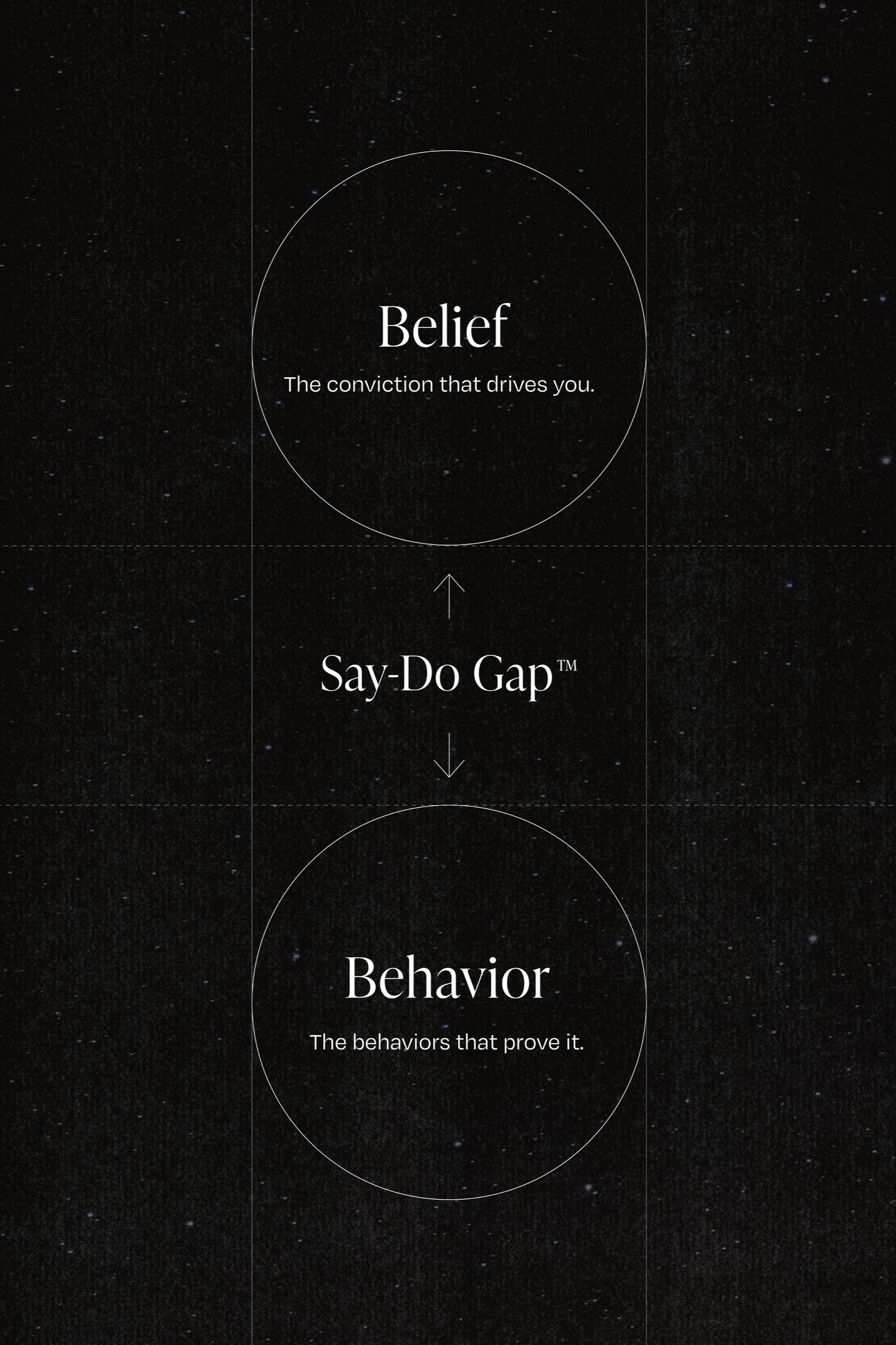
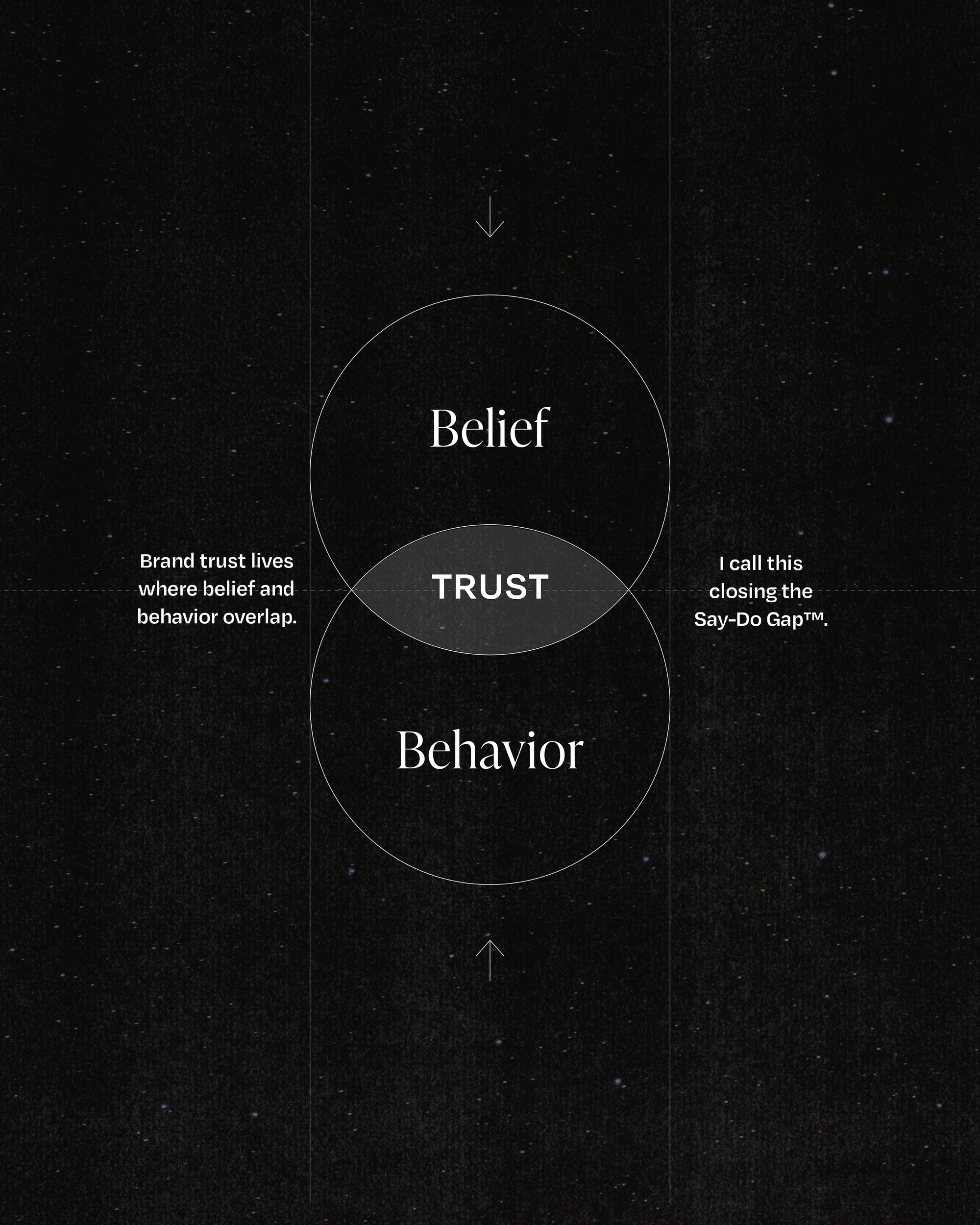
The Say–Do Gap forms when belief isn’t defined tightly enough to govern tradeoffs—so the operating system rewards something else. In early-stage companies, that “something else” is usually speed: shipping, reacting, copying what seems to work. The result: you can have marketing—even a compelling story—and still live in drift, discounting, and a constant need to push if the business can’t consistently prove it.
If your differentiation is a list of benefits, your growth plan becomes “more”—more releases, more spend, more outreach, more urgency. That’s not strategy. It’s compensation. Belief is what lets you pick a side, defend pricing, sell meaning, and make decisions competitors can’t copy.
People don’t trust what you say. They trust what you consistently do—especially under pressure.
What we do first (simple 3 steps):
Define the belief that will govern decisions and tradeoffs.
Belief is the conviction you’ll defend when it costs you revenue, speed, or comfort—and the market can tell it’s real by what you refuse to do.Translate belief into positioning, standards, and decision rules your team can use.
So you stop competing on features and start competing on conviction.Install an operating rhythm so behavior consistently proves what you say.
Because trust compounds when proof is repeatable—not occasional.
15 years. One focus.

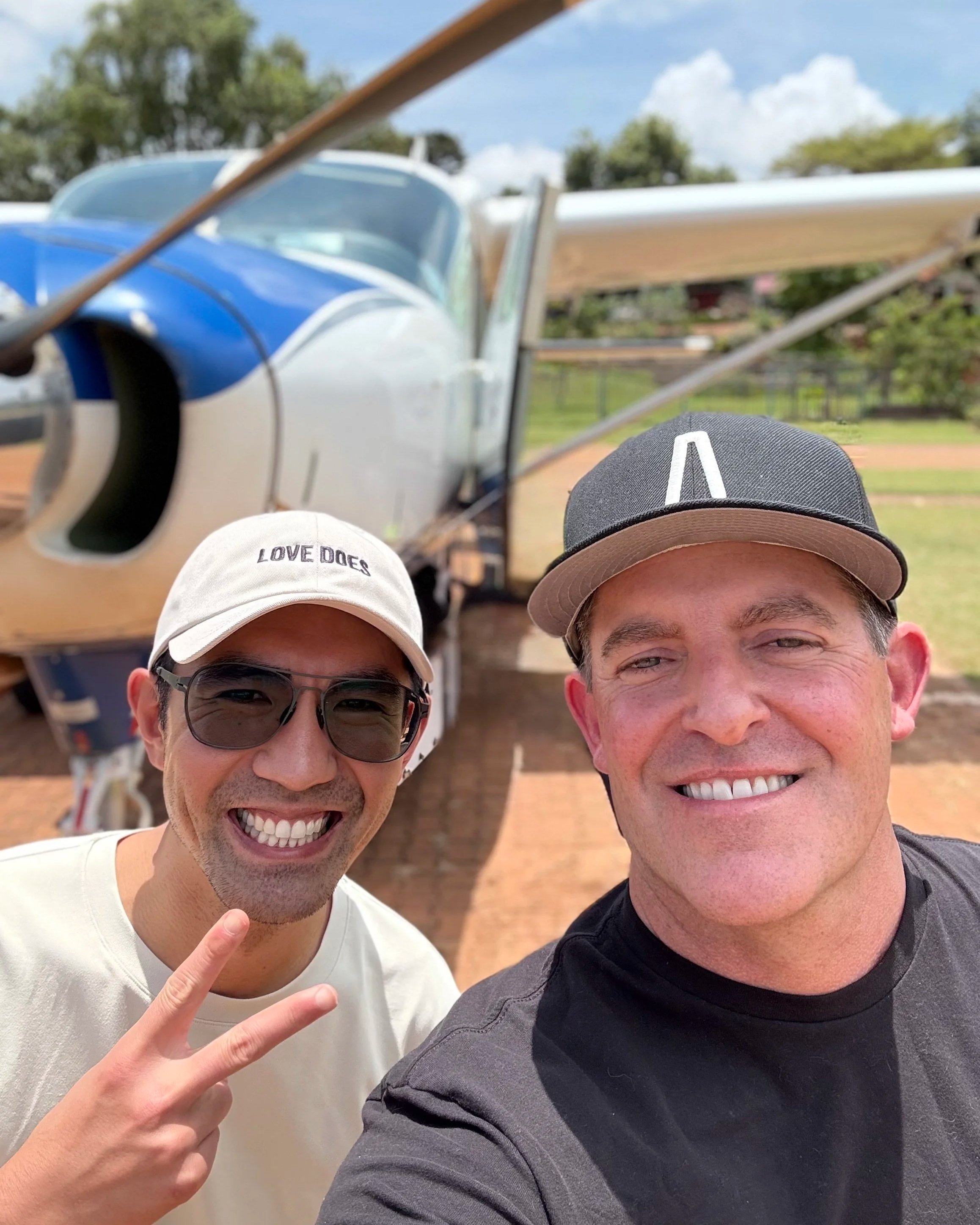
I’m Scott Hancock. I help conviction-led leaders close the gap between what they say and what people actually experience—so trust holds under pressure and growth gets easier to earn. For product and service-led startups, that usually means escaping feature parity, naming a defensible belief, and installing decision standards so the whole company stops improvising.
I bring senior brand thinking to decisions across leadership, marketing, culture, and customer experience. I’m the creator of the Say-Do Gap™ framework and lead an award-winning branding practice that’s helped founders, executives, and operators get clarity and alignment where others see noise.
Featured In:


“Scott has been a steady voice of clarity for me and for Vessel. He listens beneath the surface and helps us name what really matters. Every time we work together, the fog lifts—our mission, message, and next move snap into focus. His guidance has played a big part in shaping who we are today.”
—Ronnie Shaw, Founder & CEO, Vessel Golf
Choose the right first step.
Choose the engagement that matches where you are right now—whether you’re stuck selling features, tightening differentiation, or scaling a brand that must hold under pressure. Every engagement starts with a 20-minute intro call. We’ll confirm fit and choose the right starting point.

01
SayDo
Diagnostic
A working session to surface the Say–Do Gaps eroding trust, quantify what they’re costing you, and leave with a clear decision path for what we tackle first.
Start here if you’re stuck selling features, copying the category, unclear what you stand for, discounting to close, or feeling internal drift.

02
SayDo Strategy
Intensive
A focused engagement to define the belief, sharpen differentiation, and translate it into positioning, narrative, and standards your team can actually run on.
Start here if you need the foundation installed fast—so decisions stop changing weekly and marketing stops reinventing itself.

03
Fractional Chief
Brand Officer
Ongoing senior brand leadership and founder advisory—guiding the decisions that protect positioning, pricing, and standards as you scale.
Start here if you need an operator in the room to hold the line on tradeoffs across product, marketing, culture, and customer experience.