
FOR FOUNDERS & CEOs
If you don’t know what you believe, you don’t know what you’re doing.
I name the belief your company runs on, build the brand on it, and hold the whole company to it.
Featured In:


THE MOMENT
You may call it a rebrand.
A positioning problem.
A story that no longer fits.
Every agency you call will sell you one. A new story, a new identity, a new site.
And a year later, customers still buy on price.
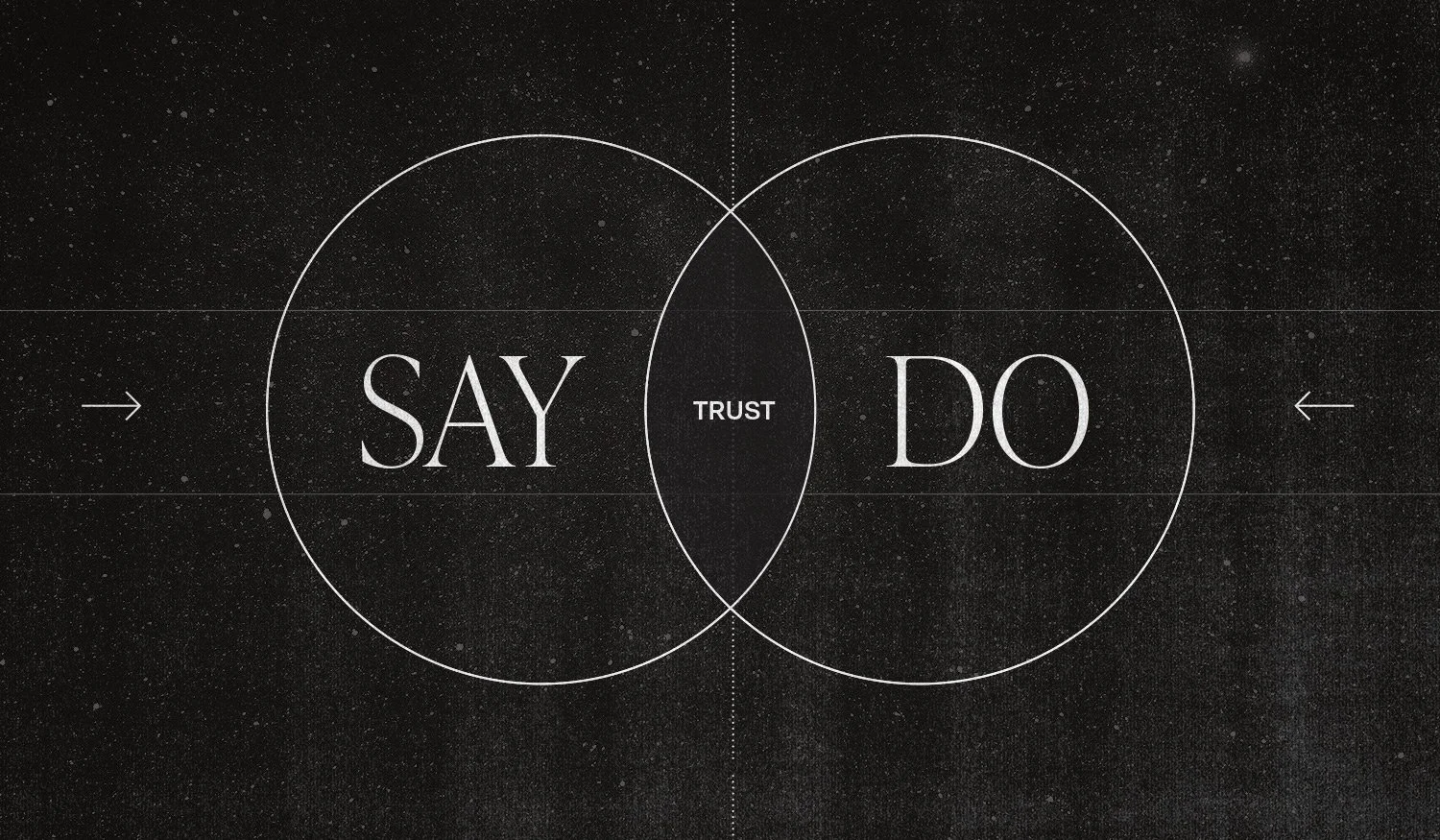
Because every one of those changed what your company says. None of them changed what it does.
The distance between the two is where trust leaks, pricing softens, decisions slow down, and rebrands turn cosmetic.
Close the Say-Do Gap™.
WHAT CHANGES
Three things a rebrand can't hold.
01
Customers stop comparing you on price.
They have a reason to choose you and a story they repeat.
02
Your team tells one story.
Sales, service, hiring, and product pull from the same standard.
03
The company holds without you.
What you built runs on what it stands for, not on you being in the room.
THE STANDARD
The best brands aren’t the best at talking. They are the best at refusing.
Patagonia has run on one belief since the 1970s. They told customers not to buy the jacket. They gave the company away to the planet. They hold their price, and the market pays it, because fifty years of costly decisions made the belief impossible to fake.
That is not marketing. That is a belief, enforced. The cost is the proof.
What does your company believe strongly enough to lose business over?
WHY I BUILT THIS
I spent two decades building brands. The work won awards. Too much of it still died.
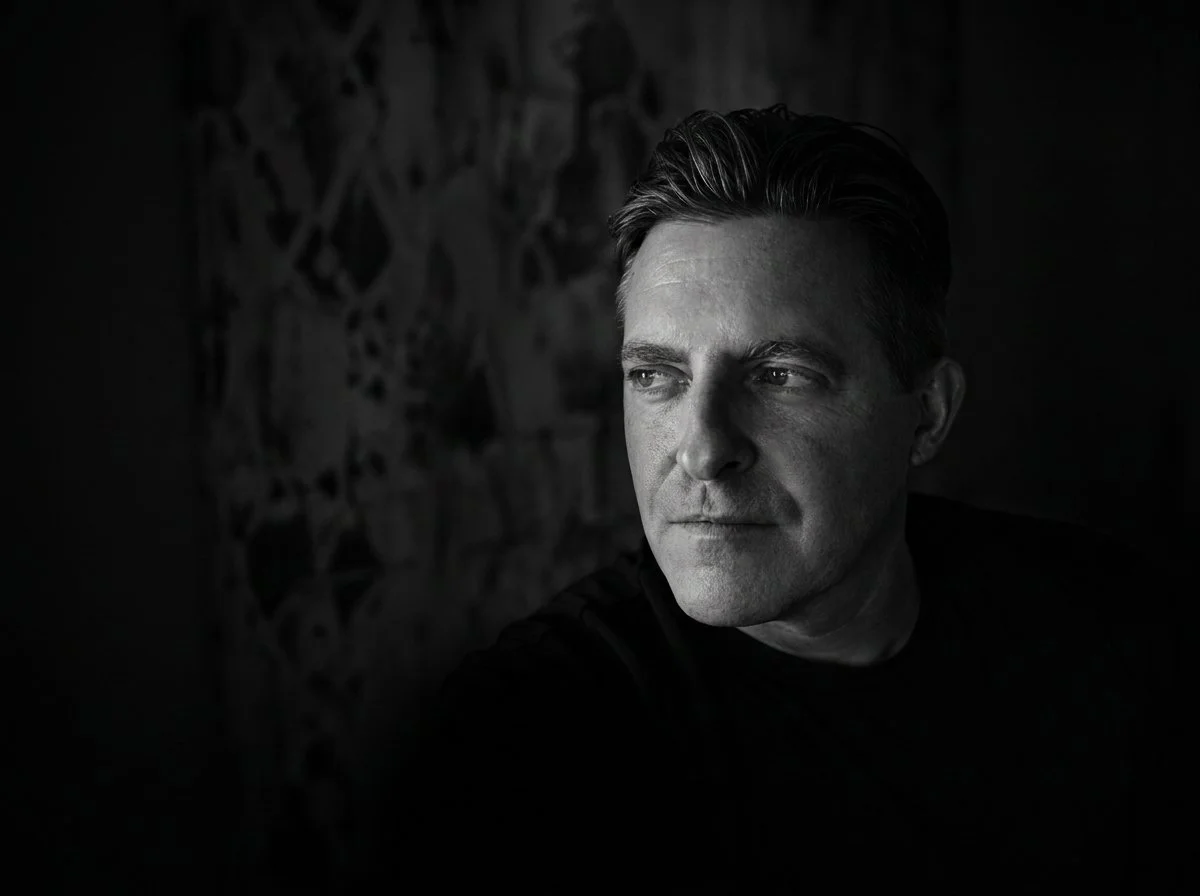
Founder since 2002. Partner and CEO of BLVR® since 2012. Strategy, naming, identity, web, and campaigns, for startups through category leaders.
I’ve stood in the room on launch day. New name, new logo, new site, the team clapping. Then the handoff. Two years later, the brand is discounting again and nobody can say what it stands for.
The work that lived was embodied by the leader. Enforcing it. Hiring for it. Holding the price. Turning down money that betrayed it.
The work that died was handed off to marketing.
A brand can’t enforce itself. People do. When the belief is named precisely, your team holds it without you in the room. Sales declines the wrong deal. Product kills the feature that doesn’t fit. The price holds because everyone knows why. The company stops needing you to stand guard. I built SayDoBrand so more of the work lives.
THE WORK
Name it. Build it. Hold it.
NAME IT
The Belief System™
Everyone starts here. Whether it was never written down, got lost as you grew, lives only in you, or you say it better than you live it, this is where it gets named. The belief is already living in your decisions: the deal you turned down, the feature you killed, the price you held. Across four working sessions we find it, test it, and write it precisely enough that someone who isn't you could enforce it. You leave with the One-Page Belief System and the full brand strategy built to carry it.
BUILD IT
The Brand Build
For companies with a finished Belief System. Branding is the belief, brought to life verbally and visually: the voice, the identity, and every expression the brand needs. All of it built from one system, so the market sees one company saying one true thing. Your team, your agency, or award-winning partners I bring to the table execute under it.
HOLD IT
The Belief Advisory
The Do side of Say-Do: bringing the belief into every corner of the business. Campaigns, product, sales, hiring, culture, customer experience. I work beside you to make it show up, coach the misses, and challenge drift before it becomes the new normal. You run the company. The belief runs through it.
Prefer to start on your own? The Belief Brief™ is a $97 self-run diagnostic. Find the gap. Name your belief.
THE PROOF
Belief only matters when it changes the work.
“Scott has been a steady voice of clarity for me and for Vessel. Every time we work together, the fog lifts. Our mission, message, and next move snap into focus. His guidance has shaped who we are today.”
—Ronnie Shaw, Founder & CEO, Vessel Golf
"What began as a simple rebrand quickly became something far deeper. Scott helped us uncover and articulate the core belief, positioning, and voice at the heart of our mission."
—Mario DeMatteo, Co-Founder, SOWN
"Working with Scott and the process he's developed, he is able to extract the true brand identity already pulsing through his client and bring it to life in an authentic way."
—Michael Kennedy, CEO, Horizon Wealth Planning
START HERE
Tell me what you’re facing.
A rebrand you're weighing. A story that stopped fitting. A decision you keep circling. In twenty minutes, I'll listen, ask the questions nobody inside the company can, and help you find what's actually going on underneath it.
Then I'll tell you the best path forward, whether that's the Belief System, a full Brand Build, or nothing from me at all. This isn't a pitch. It's the start of the work.